
Libya
Libya continues to suffer from the impact of a protracted political crisis, which leads to outbreaks of violence, displacement and a general worsening of people’s living conditions. Availability and affordability of food, fuel, water and sanitation, electricity and medical supplies have decreased and the provision of health care and public services continues to decline, thus exacerbating the humanitarian situation over the past year. This is further compounded by the desperate situation of many migrants and people in need of international protection such as refugees and asylum-seekers.
Health sector partners are collaborating to improve access of vulnerable people to preventive and curative health services, by providing medicines, supplies and deployment of mobile medical teams. The sector is also working to restore the basic functionality of health services by strengthening policy framework for health service delivery, supporting availability of skilled health staff and providing medical supplies and equipment for health facilities.
Health sector partners are collaborating to improve access of vulnerable people to preventive and curative health services, by providing medicines, supplies and deployment of mobile medical teams. The sector is also working to restore the basic functionality of health services by strengthening policy framework for health service delivery, supporting availability of skilled health staff and providing medical supplies and equipment for health facilities.
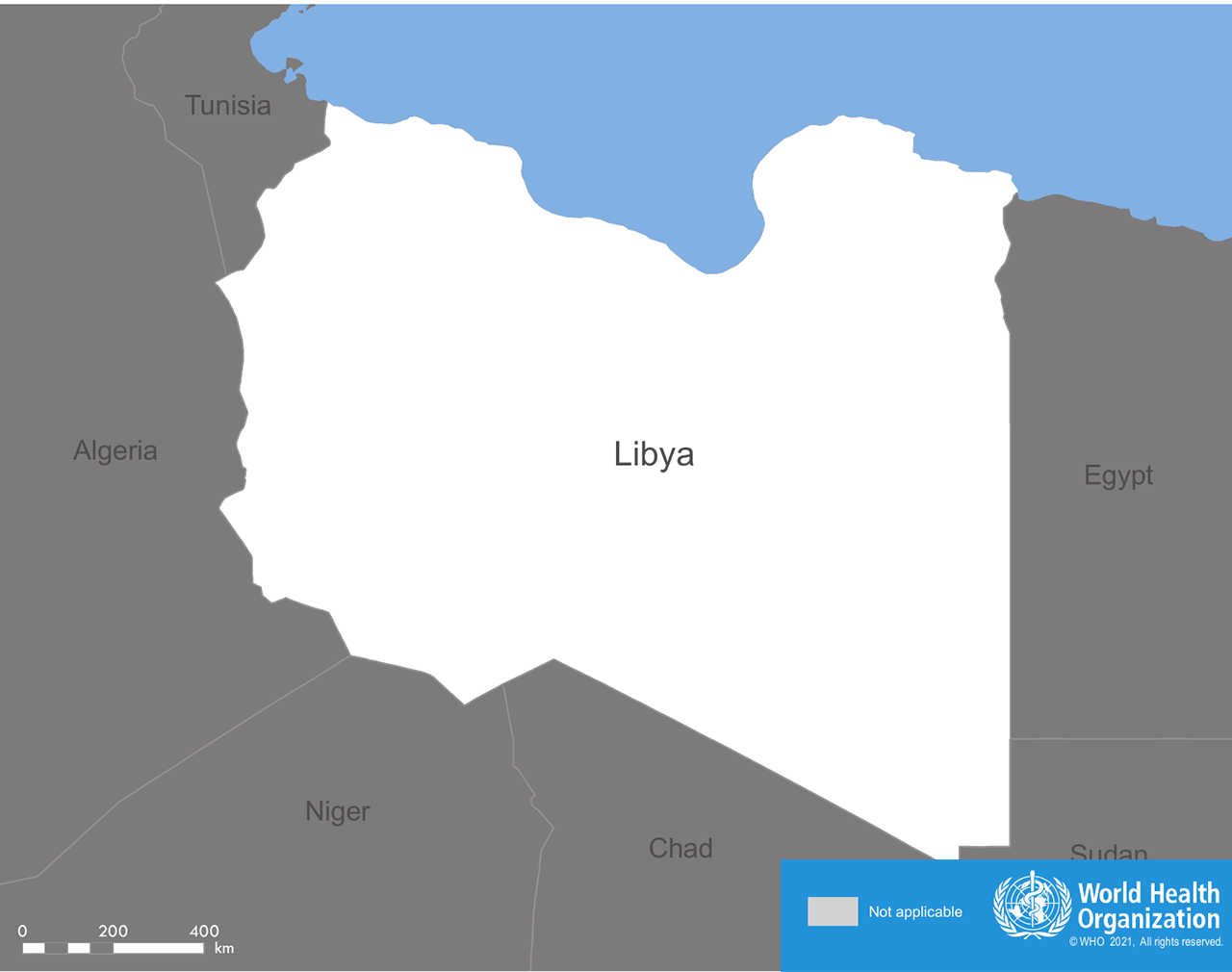
Map disclaimer: Data source: WHO. Map production: WHO/Health Emergencies Programme. @ WHO 2021. All rights reserved.
Health Sector data as of December 2022
 |
|  | US$ 27.5 million requested |  | 2015 year activated |
 | 398 930 |  | 126 % funded |  | Co-coordinator Ministry of Health |
Health Sector coordination
Salahuddin Sadi
Health Sector Coordinator
sadis@who.int
Health Sector team
National team: 3
Coordinator: 1 PT
Information Management Officer: 1 FT
Public health officer: 0
Communications Officer: 1 PT
Subnational hubs: 2
Health Sector partners
Partners: 28
International NGOs: 13
National NGOs: 5
UN agencies: 5
National authority: 1
Donors: 3
Observers: 1