Yemen
Yemen enters 2026 facing a worsening humanitarian crisis driven by conflict, economic collapse, displacement, climate shocks and shrinking humanitarian funding. Millions continue to struggle to access food, health care, clean water and other essential services, with vulnerable groups disproportionately affected. Disease outbreaks, severe malnutrition and deteriorating maternal and child health indicators continue to place immense pressure on an already fragile health system.
In 2026, the response targets the most vulnerable populations with life-saving primary health care, reproductive health services, mental health and psychosocial support, vaccination, outbreak surveillance and treatment of communicable diseases. Mobile medical teams, community outreach and support to health facilities will help reach hard-to-access and underserved areas, while efforts to strengthen surveillance, emergency preparedness and local capacity remain central to sustaining essential health services amid continued operational challenges.
The information displayed here is updated in reference to the Health Cluster dashboard, in quarterly periods.
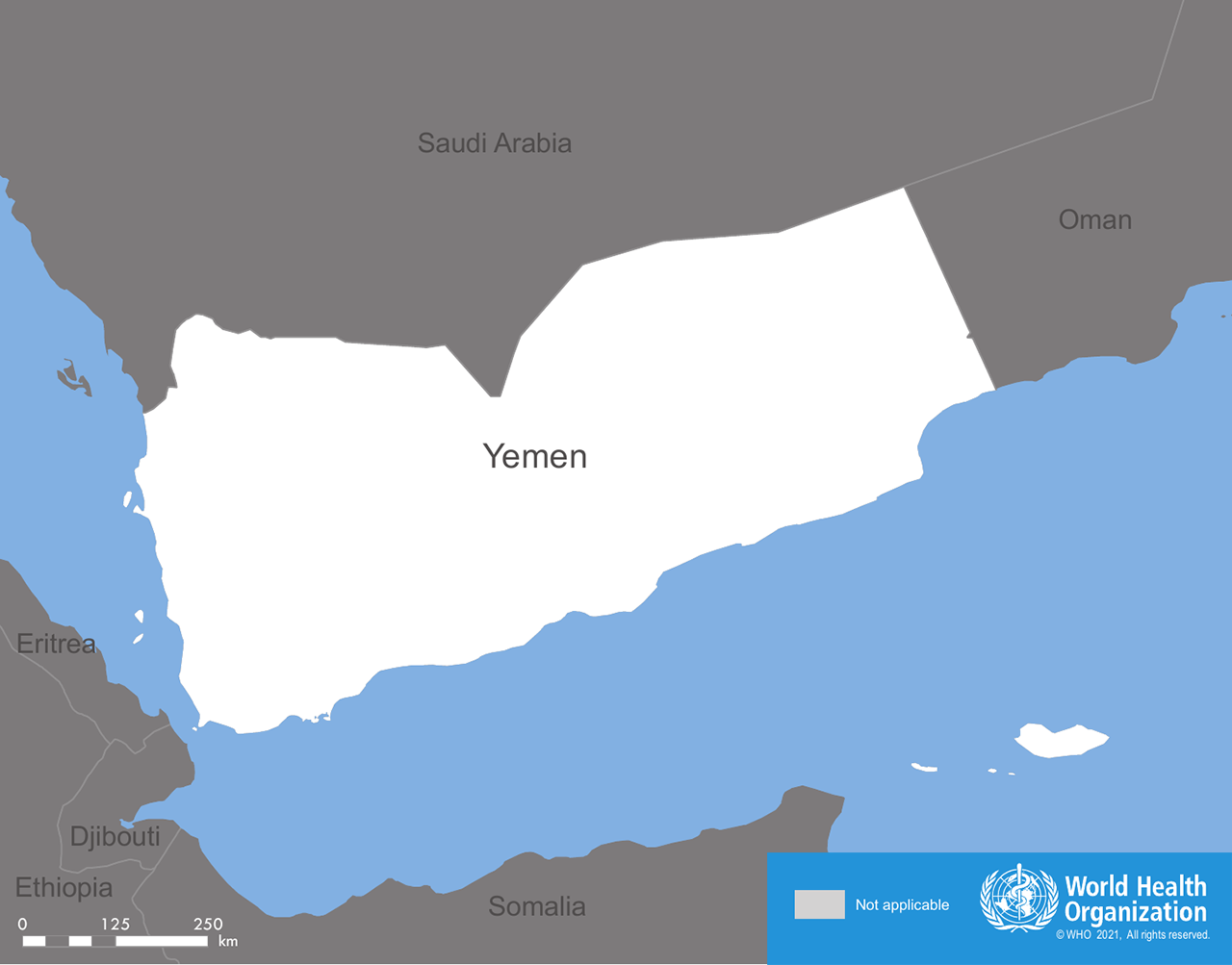
Map disclaimer: Data source: WHO. Map production: WHO/Health Emergencies Programme. @ WHO 2021. All rights reserved.
Formal Health Cluster System (IASC declared) data as of June 2026
 | 19.3 millionPeople in Need |  | US$276 million requested238M prioritized |  | 2011 year activated |
 | 8.4 millionPeople Targeted7.34M Urgently prioritized |  | 17% funded |  | Co-coordinator |
Health Cluster coordination
Health Cluster team
National team: 4
Coordinator: 2 FT
Information management officer: 2 FT
Public health officer: 0
Communications officer: 0
Subnational hubs: 6
Health Cluster partners
Partners: 56
International NGOs: 21
National NGOs: 18
UN agencies: 2
National authorities: 2
Donors: 11
Observers: 2